iGarden Launches AI-Powered Backyard Ecosystem to Tackle Energy Efficiency and Smart Outdoor Living in Europe
PARIS, May 7, 2026 /PRNewswire/ -- With energy efficiency and sustainable living becoming central concerns across Europe, iGarden, an innovative brand of Fairland Group, today announced the launch of its AI-powered backyard ecosystem—designed to help homeowners reduce energy consumption while transforming outdoor spaces into intelligent, connected environments.
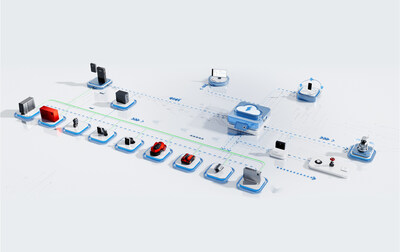
For over 25 years, Fairland Group has been at the forefront of outdoor technology innovation. Building on this legacy, the iGarden AI Ecosystem represents one of the first fully integrated AIoT systems tailored specifically for the backyard robotics industry—bringing together pool systems, energy devices, and smart automation into a unified platform.
At the core of the system is the iGarden Central Control, the intelligent brain of the ecosystem. Built on a robust wired architecture, it ensures zero-lag stability and uninterrupted 24/7 operation across all connected devices. Powered by built-in expert intelligence and professional pool logic, it enables one-touch "AI Scenes" that seamlessly coordinate multiple systems—from cleaning and heating to water flow and energy management.
In a region where energy costs and sustainability regulations continue to rise, intelligent automation is no longer a luxury—but a necessity. The iGarden system leverages real-time data—including user habits, weather conditions, pool size, and climate—to dynamically optimize the operation of heat pumps, water pumps, and purification systems. This approach helps significantly reduce unnecessary energy consumption while maintaining optimal performance.
The system is also designed with a strong commitment to data localization and privacy protection, ensuring that user data remains secure and controlled at all times.
Safety is integrated into every layer of the ecosystem. For example, when a pool cover is detected, the system can automatically pause all operations—reducing potential risks and preventing energy waste caused by unattended devices.
Complementing the ecosystem is the iGarden App, an intuitive interface that allows users to manage and personalize their backyard experience from anywhere. In parallel, the iGarden Portal provides an advanced AIoT platform for service partners, enabling remote diagnostics, predictive maintenance, and improved operational efficiency across installed systems.
"Backyards have long been fragmented spaces, filled with disconnected devices," said iGarden AI Ecosystem Director of Product Development Ting He. "Our vision is to connect these islands into one intelligent ecosystem—one that works quietly in the background, allowing people to focus on living, not managing."
By combining intelligence, integration, and sustainability, iGarden is not just introducing a new product category—it is shaping the future of outdoor living: a seamless, energy-efficient, and self-operating backyard ecosystem designed for modern European lifestyles.

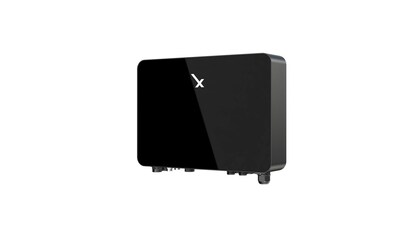
Photo - https://mma.prnewswire.com/media/2974837/195057DB_8F11_45C4_B40D_604C59F899FC.jpg
Photo - https://mma.prnewswire.com/media/2974838/AIOT__________3_0110_1.jpg
Photo - https://mma.prnewswire.com/media/2974839/7B6255AB_845F_4D8E_83DB_99C52128BCF4.jpg
 View original content:https://www.prnewswire.co.uk/news-releases/igarden-launches-ai-powered-backyard-ecosystem-to-tackle-energy-efficiency-and-smart-outdoor-living-in-europe-302765815.html